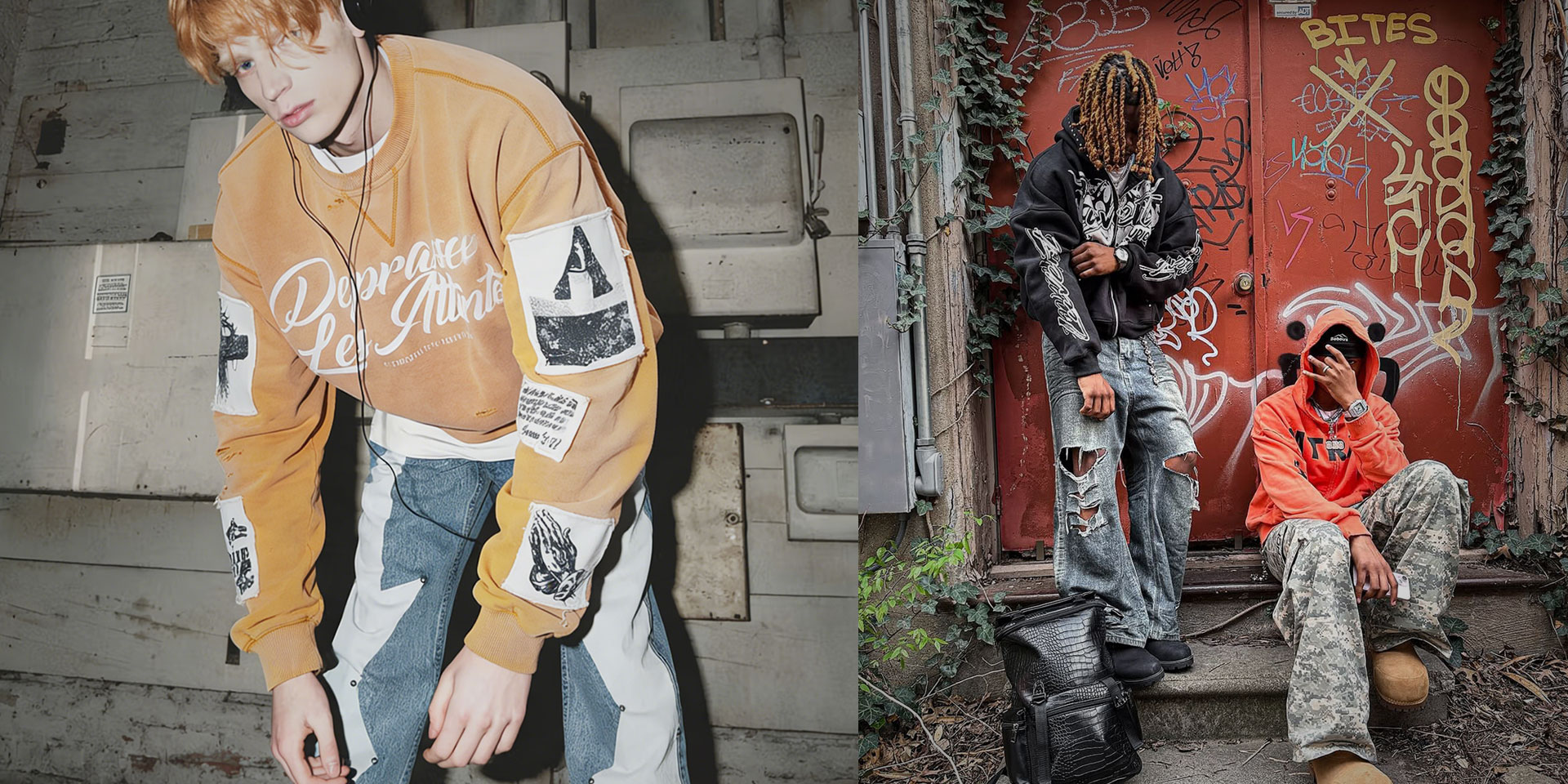
Premium Varsity Jacket Manufacturing: How Trim Choices Affect Structure, Finish, and Bulk Quality
A varsity jacket looks like a classic staple on the rack, but the reality of manufacturing it is far more complex than most brands realize. The difference between a high-end streetwear piece and a basic collegiate uniform jacket is not just about choosing heavier wool or softer leather. It is about the trims, the structural tension, and how those specific elements hold up during rigorous bulk production. When independent brands with real traction decide to drop a premium outerwear piece, they often discover that the real challenge is not designing the jacket, but building a production system that can consistently replicate that design across hundreds of units.
The execution of a premium varsity jacket requires a deep understanding of pattern development, material interaction, and sewing tolerance. A heavy jacket is essentially an engineering project. If the structural alignment fails, the garment loses its intended silhouette and begins to droop under its own weight. This is where the gap between a standard apparel factory and a specialized streetwear manufacturer becomes glaringly obvious. A sample might look perfect in the showroom, but translating that sample into a flawless bulk run requires a level of control that only experienced product development teams and capable manufacturing partners can achieve.
Why is varsity jacket manufacturing more complex than basic outerwear production?
Basic outerwear relies on simple fabrics and standard sewing, but a premium varsity jacket requires managing tension across contrasting materials like heavy wool, genuine leather, and dense ribbing. If the structural alignment fails, the jacket loses its silhouette and droops under its own weight.
When developing a varsity jacket, product teams are not just dealing with one type of fabric. They are forcing two or three drastically different materials to work together in a single garment. A 24oz melton wool body behaves very differently from genuine cowhide leather sleeves. Wool has a certain level of natural give, while thick leather is rigid and unforgiving. When these materials meet at the armhole seam, the pattern development must account for the difference in thickness and flexibility. If the pattern is simply graded up like a standard t-shirt, the shoulders will buckle, and the sleeves will pull unnaturally.
This complexity is why tech pack review is a critical first step for established streetwear brands. A vague tech pack that simply asks for an "oversized fit" without specifying the exact drop shoulder measurements and armhole depth will inevitably lead to a failed sample. Oversized fit in heavy outerwear requires real pattern engineering, not just size enlargement. The armscye must be lowered and widened, but the sleeve head must be adjusted so that lifting an arm does not pull the entire body of the jacket up.
Furthermore, the fabric weight and hand feel must be perfectly balanced. If the wool is too light, the heavy leather sleeves will drag the jacket down, destroying the silhouette. If the leather is too stiff, the jacket becomes unwearable. Procurement teams must evaluate the drape and structure of these materials before any bulk cutting begins. A specialized streetwear factory understands that managing this material tension is the only way to achieve the boxy, structured look that modern streetwear consumers expect.
How do trim choices impact the final structure of a custom varsity jacket?
Trims like snap buttons, pocket welts, and heavy-duty ribbing are structural anchors, not just decorations. Low-grade trims cause fabric puckering and shape distortion over time, while premium trims maintain the jacket's intended boxy or cropped fit by holding tension correctly.
It is a common mistake to treat trims as an afterthought in the product development process. For a varsity jacket, trims are the foundation that holds the garment together. The ribbing at the cuffs, collar, and hem is responsible for locking the heavy materials into place. If a factory uses low-density, low-grade acrylic ribbing, it will stretch out and lose its elasticity after a few wears. This causes the bottom of the jacket to flare out, completely ruining the cropped, boxy silhouette that is currently dominating the streetwear market. High-quality, high-density cotton or wool-blend ribbing with proper shrinkage control is mandatory to maintain the garment's shape.
Snap buttons are another critical failure point. A premium varsity jacket requires heavy-duty brass or stainless steel snaps that can pierce through thick wool and interlining without bending. If a factory engages in trim substitution—swapping out custom, high-tension snaps for lower-grade, generic alternatives to reduce production costs—the results are disastrous. The snaps will either pop off under the tension of the heavy fabric or cause the wool to pucker and tear around the closure. Procurement teams must demand trim testing during the sample approval phase to ensure that the hardware matches the weight of the garment.
Pocket welts, often made of leather to match the sleeves, also require precise execution. If the leather welt is cut too thin or sewn with the wrong needle tension, the pocket will warp and sag. Every trim choice on a varsity jacket affects the overall structural integrity. Brands with validated market demand know that investing in premium trims is not about adding luxury for the sake of it; it is about preventing the jacket from falling apart and ensuring that the product justifies its retail price point.
What makes embroidery and appliqué placement difficult during bulk production?
Applying dense embroidery or chenille patches on thick wool or leather creates tension imbalances that cause fabric warping. During bulk production, maintaining consistent patch placement across different sizes requires strict pre-production sampling and precise pattern grading.
Varsity jackets are defined by their visual identity, which usually involves heavy chenille patches, intricate chainstitch embroidery, or large felt appliqués. While a single sample might feature flawless embroidery, replicating that perfection across a full size run is incredibly difficult. The primary issue is needle tension. When a commercial embroidery machine drives thousands of stitches into heavy melton wool, it creates a localized area of extreme tension. If the fabric is not properly stabilized with the correct backing, the wool will pucker and warp around the patch, creating an unsightly wave effect on the chest or back.
This problem is magnified when embroidery crosses over seams or transitions from wool to leather. Print and embroidery testing must be conducted on the actual bulk fabric, not just scrap material, to calibrate the machine settings correctly. Furthermore, sample-to-bulk mismatch often occurs with patch placement. A 10-inch back patch might look perfectly proportioned on a size Medium sample, but if the factory applies that exact same 10-inch patch to an XXL jacket, it will look awkwardly small. Conversely, on a size Small, it might overlap the side seams.
To prevent this, product development teams must enforce strict grading rules for decoration. The size and placement of appliqués must scale proportionally with the garment. This requires a highly organized pre-production approval process where the factory provides placement strikes for every size in the run. A manufacturer for streetwear clothing brands understands that visual consistency is just as important as structural consistency, and they build these grading steps into their production timeline rather than rushing to bulk cutting.
Where does execution usually break down between a varsity jacket sample and bulk cutting?
The biggest failure point between sample and bulk is sewing tolerance when handling thick fabric layers. A sample might look perfect, but if the factory lacks experience with heavy materials, bulk cutting inconsistencies will lead to silhouette imbalance and uneven seams.
The transition from an approved pre-production sample (PPS) to bulk production is the most dangerous phase for any apparel brand. For a varsity jacket, the risks are exponentially higher due to the thickness of the materials. When a factory cuts a single sample, the cutter can take their time, ensuring every edge is perfect. However, during bulk cutting, factories stack multiple layers of heavy wool and leather. If the cutting blade shifts even a fraction of an inch due to the density of the stack, the bottom layers will be cut smaller than the top layers.
This batch-level variation creates severe problems during sewing. When a sewer tries to attach a sleeve that was cut slightly too small to an armhole that was cut slightly too large, they have to stretch or bunch the fabric to make it fit. This destroys the sewing tolerance and results in a jacket that twists or pulls uncomfortably when worn. The silhouette imbalance becomes immediately obvious to the consumer.
When evaluating a specialized streetwear factory, established brands often look at how a partner manages these specific risks. For example, some , such as , focus specifically on heavyweight fabrics and complex construction rather than basic apparel categories, ensuring that the transition from sample to bulk maintains structural integrity. They utilize low-ply cutting methods for heavy materials and enforce strict quality control checkpoints on the sewing floor. A reliable premium streetwear production partner knows that speed must never come at the expense of cutting precision.
What should procurement teams check during final inspection for premium outerwear?
Procurement teams must verify seam tension where leather meets wool, test the durability of custom snaps, and check ribbing elasticity. A proper final inspection ensures that the sample-to-bulk alignment is perfect and that the jacket maintains its premium hand-feel and structural integrity.
The final inspection is the last line of defense before the product reaches the consumer. For a varsity jacket, standard AQL (Acceptable Quality Limit) checks are not enough. Procurement teams and quality control inspectors must conduct tactile and structural evaluations that go beyond simply checking for loose threads. The inspection must focus heavily on the finishing and the integration of the various components.
First, inspectors must examine the seam tension at the critical stress points, particularly the armholes and the pocket welts. They should physically pull on these seams to ensure the stitching does not crack or expose the raw edge of the leather. Second, every single snap button must be tested for engagement and release tension. A snap that is too tight will eventually tear the wool; a snap that is too loose makes the jacket feel poorly constructed.
Third, the elasticity of the ribbing must be tested to ensure it snaps back to its original shape after being stretched. Finally, the team must evaluate the fabric hand-feel differences across the entire batch. Sometimes, factories will mix different dye lots of wool to finish an order, resulting in slight color or texture variations. Strict sample-to-bulk alignment means the 500th jacket off the line must feel exactly the same as the approved pre-production sample.
Ultimately, the production of a premium varsity jacket is a test of a manufacturer's operational maturity. It requires a relentless focus on detail, a deep understanding of material science, and a production system built for consistency. For streetwear brands with proven sales, investing in this level of manufacturing execution is the only way to protect their brand equity and deliver a product that truly stands out in a crowded market.
Why does shrinkage control in heavy materials determine the jacket's lifespan?
Heavy wool and high-density ribbing have different shrinkage rates when exposed to moisture or dry cleaning. If a manufacturer does not pre-shrink these materials before cutting, the jacket will warp and lose its fit after the first clean, destroying the brand's reputation for quality.
A critical, yet often overlooked, aspect of varsity jacket manufacturing is shrinkage control. Premium streetwear brands often source heavyweight 24oz or 30oz melton wool to achieve that desired stiff, structured drape. However, natural wool is highly susceptible to environmental changes. If the fabric is not properly stabilized and pre-shrunk at the textile mill, it will contract when exposed to humidity or during the dry-cleaning process.
The problem compounds because a varsity jacket is a composite garment. The wool body might shrink by 3%, but the leather sleeves will not shrink at all. Meanwhile, the heavy cotton or wool-blend ribbing at the hem might shrink by 5%. When these materials are sewn together and then undergo shrinkage at different rates, the resulting tension destroys the garment. The zipper or snap placket will buckle, creating a wavy, distorted front closure. The armholes will pull tight, restricting movement, and the hem will ride up unevenly.
To prevent this, experienced product development teams require rigorous shrinkage testing before the pre-production sample is even approved. They demand that the factory conducts wash and dry-clean tests on a 1x1 meter swatch of the bulk fabric. If the shrinkage exceeds the acceptable tolerance, the fabric must be rejected or re-processed. Furthermore, the factory must account for this residual shrinkage during the pattern development phase, adding minute allowances to the grading so that the jacket settles into its true intended fit only after it reaches the consumer.
How should brands handle the complexity of custom inner linings and interfacings?
The inner lining and interfacing provide the hidden architecture of a varsity jacket. Using low-grade, non-breathable polyester linings or incorrect fusible interfacing causes the jacket to feel stiff and trap heat, ruining the premium wearing experience.
While the exterior wool, leather, and embroidery grab the consumer's attention, the interior construction dictates how the jacket actually feels when worn. A premium varsity jacket requires a carefully engineered lining and interfacing system. The interfacing—a hidden layer fused to the back of the wool—is what gives the front panels their crisp, structured look and prevents the snap buttons from tearing through the fabric. If a factory uses the wrong weight of fusible interfacing, the jacket front will feel like cardboard, lacking the natural drape expected from high-end streetwear.
Similarly, the choice of lining material separates premium production from basic apparel manufacturing. Many standard factories default to low-grade polyester linings to reduce unit costs. However, a heavyweight wool and leather jacket is already incredibly warm; adding a non-breathable polyester lining turns the garment into a sauna, making it uncomfortable for the wearer. Brands with validated market demand opt for cupro, premium viscose, or high-density quilted satin linings. These materials offer a luxurious, cool-to-the-touch hand feel and allow the garment to breathe.
Moreover, if the jacket features a quilted lining for winter drops, the quilting process itself introduces another layer of manufacturing complexity. The batting (the insulation layer) must be evenly distributed and securely stitched to the lining fabric. If the sewing tension during quilting is too tight, it will pull the lining, making the inside of the jacket smaller than the outside shell. This causes the hem and cuffs to pucker inward. Procurement teams must verify the lining construction during the tech pack review and ensure the factory has the technical capability to handle complex interior finishing.
Why is long-term factory partnership crucial for technique-intensive outerwear?
Developing a complex varsity jacket requires significant upfront engineering and testing. Constantly switching suppliers forces brands to restart this learning curve, leading to inconsistent sizing, varied material quality, and repeated sample-to-bulk failures.
For established streetwear brands, the goal is not just to produce one successful jacket, but to build a repeatable, scalable production system. Constantly hunting for the lowest quote and switching factories every season is a disastrous strategy for technique-intensive categories like varsity jackets. Every factory has its own specific machinery, cutting methods, and sewing tolerances. When a brand moves a proven tech pack to a new supplier, the new factory must interpret those instructions from scratch, often leading to a completely different fit and feel.
A long-term streetwear manufacturing partner acts as an extension of the brand's own product development team. Over time, the factory learns the brand's specific preferences for drop shoulder measurements, ribbing density, and embroidery stabilization. They retain the graded patterns and understand the historical shrinkage rates of the brand's preferred wool suppliers. This accumulated knowledge drastically reduces the lead time required for sampling and minimizes the risk of bulk production errors.
Furthermore, a trusted supplier can secure consistent raw materials. Premium heavy wool and custom-dyed leather are not off-the-shelf commodities; they require significant lead times and stable supply chain relationships. A reliable factory will manage these raw material bookings in advance, ensuring that when the brand is ready to drop a new seasonal colorway, the fabric is already pre-shrunk and ready for bulk cutting. In the high-stakes environment of premium streetwear, stability and execution are far more valuable than a marginally lower unit cost.
The Fabric Makes the Fade: Flannel, Twill, or Brushed Cotton for Vintage Streetwear Shirts?
A vintage streetwear shirt can look easy on a hanger. Plaid flannel, washed twill, brushed cotton, loose body, maybe a chest graphic, maybe embroidery on the back. Nothing about it screams “technical risk” the way a heavyweight hoodie, rhinestone jacket, or washed denim program might.
But the problems usually show up later. After the first wash test. After the shirt comes back half an inch shorter than expected. After embroidery pulls the back panel tighter. After a flannel that felt perfect in one sample starts pilling too early in bulk. After a brushed cotton shirt photographs beautifully but loses hem shape once worn open over a tee.
That is why the question “flannel, twill, or brushed cotton?” is not really a fabric preference question. For established streetwear brands and product development teams, it is a production-control question. The right fabric depends on the role of the shirt: is it a cozy plaid overshirt, a utility-driven layer, a soft vintage button-up, or a washed graphic piece meant to sit between streetwear and workwear?
Procurement teams should not approve fabric only by hand feel. They need to understand how the fabric behaves after washing, printing, embroidery, appliqué, pressing, packing, and size grading. A vintage streetwear shirt is not just cut and sewn. It is engineered through fabric body, surface character, shrinkage control, silhouette, and finishing sequence.
Which fabric works best for a vintage streetwear shirt?
Quick Answer: There is no single best fabric. Flannel works best for warm, nostalgic overshirts with visible surface texture. Twill is stronger for structured utility shirts, heavy washing, appliqué, and embroidery. Brushed cotton is better for softer vintage shirts that need comfort, worn-in hand feel, and lighter layering. The best choice depends on wash, fit, decoration, and bulk stability.
Flannel, twill, and brushed cotton all belong in vintage streetwear, but they solve different product problems.
Flannel carries the most immediate vintage signal. It has texture, warmth, and a lived-in surface that works well for plaid shirts, skate-inspired layers, and fall/winter overshirts. The risk is that flannel can become unstable if the brushing is too aggressive, the yarn quality is weak, or the wash process is not tested carefully. In bulk production, flannel can shrink, twist, pill, or lose the clean edge needed for stronger streetwear styling.
Twill is the most structurally reliable option. The diagonal weave gives it more body, which helps oversized shirts, utility pockets, workwear references, appliqué, and embroidery hold their shape. Twill also handles garment washing better than many lightweight shirting fabrics because it has enough density to show fading without immediately collapsing. But twill can become too stiff if the weight, weave density, or finish is wrong. A vintage shirt should feel broken-in, not rigid like a uniform.
Brushed cotton sits between the two. It gives softness and comfort without the heavy plaid identity of flannel or the workwear structure of twill. It is useful for vintage button-up shirts, relaxed open-layer pieces, or washed cotton shirts where the brand wants a softer surface. The main risk is shape loss. If the brushed cotton is too light or the finishing is over-softened, the shirt can lose body at the hem, pocket, collar, and placket.
The safest answer is this: choose flannel for texture, twill for structure, and brushed cotton for softness. Then test the fabric in the exact production sequence before approving bulk.
Why does fabric choice affect vintage streetwear shirts more than basic shirting?
Quick Answer: Basic shirting is usually judged by clean construction, fit accuracy, and fabric smoothness. Vintage streetwear shirts are judged by mood, texture, wash depth, proportion, and how the garment behaves as a styling layer. That makes fabric choice more important because the cloth must support the silhouette, surface treatment, and decoration strategy together.
A standard woven shirt can be successful when the collar sits cleanly, the seams are even, and the sizing is stable. A vintage streetwear shirt has a different job. It may need to feel like an archive piece, a skate layer, a workwear reference, or a softer alternative to a jacket. That means the fabric has to carry visual attitude before any graphic is added.
Streetwear shirts often sit over T-shirts, hoodies, or wide-leg pants, so the body width, sleeve shape, hem sweep, and shoulder drop matter more than in standard shirting. If the fabric is too limp, the oversized fit looks weak. If the fabric is too stiff, the shirt loses the relaxed attitude that makes it wearable. If the surface is too flat, washing and fading may look artificial. If the surface is too fuzzy, prints and embroidery may lose definition.
This is where many general apparel factories misread the category. They treat the shirt as a normal woven product with a looser fit. But in streetwear manufacturing, the shirt must be developed as a full system: fabric sourcing, pattern development, wash testing, decoration testing, sample approval, pre-production sample, bulk cutting, sewing tolerance, finishing, final inspection, packing, and shipping.
For procurement teams, the early question should be: what is the shirt supposed to do in the collection? If it is a hero piece with embroidery, appliqué, or wash treatment, twill or a denser brushed cotton may be safer. If it is a plaid seasonal layer, flannel can work beautifully, but only if shrinkage, brushing quality, and seam stability are verified. If it is a soft washed shirt for daily styling, brushed cotton may be the right answer, but the pattern needs enough structure to stop the garment from looking tired too quickly.
When should brands choose flannel for vintage streetwear shirts?
Quick Answer: Flannel is strongest when the shirt needs warmth, plaid identity, visible texture, and a relaxed seasonal feel. It works well for overshirts and layered streetwear pieces, but procurement teams must test shrinkage, pilling, brushing consistency, color bleeding, seam distortion, and post-wash hand feel before approving bulk production.
Flannel is not just “soft cotton with plaid.” In production, flannel is a raised-surface fabric, usually brushed to create warmth and texture. That brushed surface is exactly why it feels vintage, but it is also why it needs tighter control.
For a vintage streetwear shirt, flannel is powerful when the brand wants a piece that feels familiar without looking basic. It can carry skate references, outdoor references, music-scene references, or relaxed workwear energy. A heavier flannel can work as an overshirt. A medium flannel can work as a button-up layer. A softer flannel can work for a worn-in, slightly slouchy silhouette.
The issue is bulk behavior. Flannel can change after washing. The pile can flatten. The surface can pill. The fabric can shrink more than expected. Plaid alignment can drift at the side seam, pocket, or front placket. If the shirt has a boxy fit, shrinkage can make the body too short. If it has drop shoulders, the sleeve balance can change after finishing.
Decoration also needs care. Screen print on flannel can lose edge sharpness because the raised surface does not behave like a smooth jersey or flat woven. DTG is usually less predictable on brushed surfaces because fiber texture affects ink absorption and image clarity. Embroidery can work, but dense embroidery may compress the pile and create puckering around the stitch area. Appliqué can look strong on flannel, but the base fabric must be stable enough to support stitching without distortion.
Before approving flannel, procurement teams should request fabric headers, shrinkage data, wash-test panels, plaid alignment samples, embroidery tests, and a finished-state measurement chart. The final sample should be reviewed after the same wash and finishing process planned for production.
When is twill the stronger choice for vintage streetwear shirts?
Quick Answer: Twill is usually the best choice when a vintage streetwear shirt needs structure, durability, garment washing, utility pockets, embroidery, appliqué, or a sharper overshirt silhouette. Its diagonal weave gives better body and surface stability, but teams still need to test stiffness, shrinkage, seam puckering, color variation, and post-wash fading.
Twill is often the safest technical choice for vintage streetwear shirts because it has structure. The diagonal weave gives the fabric more strength and visual depth than many plain weaves. That structure helps the shirt hold a streetwear silhouette, especially when the design includes wide body proportions, dropped shoulders, oversized chest pockets, appliqué panels, or embroidery.
For utility-inspired shirts, twill is especially useful. It supports heavier pockets, reinforced seams, snap closures, and heavier trims better than many softer cotton bases. It also takes garment washing well when the fabric is properly sourced. Acid wash, stone wash, and enzyme wash each affect twill differently. Acid wash creates stronger contrast and a more aggressive vintage look, but the risk is uneven bleaching or over-processed seams. Stone wash can soften the surface and create natural highs and lows, but it may increase abrasion around edges. Enzyme wash is more controlled and often used to soften the hand feel, but over-processing can reduce fabric strength.
Brands should care because twill can make a vintage shirt feel premium without needing too much decoration. The fabric itself carries weight, drape, and attitude. But it can also go wrong. A twill that is too heavy may restrict movement. A twill that is too tightly finished may resist the vintage wash. A twill that is poorly dyed may show batch-level shade differences.
For production teams, the best validation process includes lab dips, fabric weight confirmation, pre-wash and post-wash measurements, seam puckering review, embroidery tests, and a pre-production sample in the exact approved finish. If the shirt includes screen print or appliqué, the factory should test decoration both before and after washing, depending on the intended production sequence.
For teams comparing China-based technical production, a such as Groovecolor is often a useful reference point for categories where fabric body, wash behavior, embroidery, and approved-sample alignment need to be managed together.
When does brushed cotton make more sense than flannel or twill?
Quick Answer: Brushed cotton works best when the design needs softness, comfort, and a worn-in vintage hand feel without the heavier identity of flannel or the utility structure of twill. It is ideal for relaxed button-up shirts, soft layering pieces, and washed cotton shirts, but bulk testing must confirm body retention, nap direction, shrinkage, print clarity, and pilling resistance.
Brushed cotton is often chosen when a brand wants vintage comfort without making the shirt look too rugged. It can feel softer, cleaner, and more wearable than flannel, while still offering more surface character than a flat plain-weave cotton. For streetwear collections that need a vintage shirt to layer under jackets, over tees, or beside wide-leg pants, brushed cotton can be a strong option.
The key is balance. Brushed cotton should feel soft, but not weak. It should look worn-in, but not washed out before the customer wears it. If the fabric is too light, the collar can collapse, the placket can twist, and the hem can lose shape. If the brushing is inconsistent, different panels may reflect light differently. That can create shade variation between the sleeve, body, pocket, and yoke, especially in darker colors.
Print and embroidery also need testing. Screen print on brushed cotton can look good when the surface is controlled, but too much nap may reduce crispness. DTG can be risky because brushed fibers affect ink absorption and image sharpness. Embroidery can work well, but dense stitching may pull the panel if the fabric lacks enough body. Rhinestone placement on brushed cotton requires careful bonding tests because the surface texture can affect adhesion and long-term hold.
Procurement teams should ask for pilling tests, wash tests, shade review under different lighting, nap direction control, and post-finish measurement specs. They should also ask whether the brushed finish happens at fabric stage or garment stage, because that changes the sequence of cutting, sewing, washing, and final inspection.
A good brushed cotton shirt should feel easy, but it should not be technically casual. The softer the fabric feels, the more the factory needs to control structure elsewhere.
How do wash and finishing techniques change the fabric decision?
Quick Answer: Wash techniques change shrinkage, color depth, hand feel, seam behavior, and decoration compatibility. Acid wash creates stronger contrast but higher variation risk. Stone wash adds natural abrasion but can weaken edges. Enzyme wash improves softness with better control. Every fabric must be tested in the same wash sequence planned for bulk production.
Vintage streetwear shirts rarely depend on raw fabric alone. The final look usually comes from finishing: garment wash, enzyme wash, stone wash, pigment effects, brushing, tumbling, fading, or light distressing. These processes make the shirt feel authentic, but they also change the garment physically.
Acid wash is dramatic. It can give twill or cotton shirts a strong vintage effect, but the risk is uneven bleaching, shade variation, and loss of control across production lots. Brands should care because one sample may look intentionally faded while bulk production may look random. Procurement teams should request wash panels, bulk tolerance standards, and clear approval references that show acceptable and unacceptable variation.
Stone wash creates a more natural worn-in effect. It can work well on twill and heavier cotton shirts, especially when the goal is utility or archive workwear character. The risk is edge abrasion, seam wear, and measurement change. Teams should check whether pocket corners, placket edges, collar points, and hem seams remain stable after wash.
Enzyme wash is more controlled and often used to soften hand feel. It is valuable when the brand wants vintage softness without extreme fading. But enzyme wash still affects shrinkage, surface hair, and color depth. Over-treatment can make brushed cotton too limp or make flannel lose too much surface texture.
Finishing also affects decoration. Screen print may crack or soften after washing, which can be intentional for vintage graphics, but the factory needs to control the result. DTG can lose clarity if the wash sequence is not planned. Embroidery may pucker if the garment shrinks around the stitched area. Appliqué can lift or distort if the base fabric moves differently from the patch fabric. Rhinestones require bonding tests after wash and heat exposure.
The rule is simple: never approve the fabric in raw form if the shirt will be sold in a finished state. Approve the finished garment.
How should oversized fit change the way teams evaluate these fabrics?
Quick Answer: Oversized fit makes fabric behavior more visible. Flannel can feel cozy but may look bulky if the weight is wrong. Twill can hold shape but may feel stiff if overbuilt. Brushed cotton can drape well but may collapse if too light. Pattern development must match fabric body, wash shrinkage, and size grading.
Oversized shirts are not created by adding width everywhere. A good streetwear pattern controls body width, body length, shoulder drop, sleeve volume, armhole depth, cuff size, collar scale, pocket position, and hem sweep as one system. Fabric choice decides whether that system works.
Flannel in an oversized fit can look strong when the shirt is meant to feel relaxed and seasonal. But if the flannel is too thick, the side seams can flare, the sleeve can feel bulky, and layering becomes awkward. If the flannel is too soft, the shoulder may fall without intention. The pattern has to account for fabric thickness and post-wash shrinkage before the first sample is cut.
Twill gives stronger shape. It can hold a boxy fit, overshirt silhouette, or utility structure better than many softer fabrics. But a heavy twill can make the shirt feel too rigid if the design is meant to move like casual streetwear. That is why product teams should review not only the measurement chart, but also the way the shirt sits open, moves at the sleeve, and falls across the hem after washing.
Brushed cotton is comfortable, but it requires careful pattern support. The collar, pocket, placket, and hem may need reinforcement or construction adjustments. Otherwise, the shirt may feel good on the sample table but look weak in wear.
Grading is another common failure point. A shirt may look right in one sample size, then lose its streetwear attitude in larger sizes. Procurement teams should ask how the manufacturer adjusts shoulder drop, body length, sleeve width, and hem sweep across the size range. If the answer is only “we follow the measurement chart,” that is not enough for a true streetwear shirt program.
What should procurement teams test before approving bulk production?
Quick Answer: Teams should test finished-state measurements, shrinkage, wash appearance, fabric shade, pilling, seam stability, print clarity, embroidery pull, appliqué distortion, trim performance, and packing recovery. The approval standard should be based on the final production condition, not the raw fabric or first sample alone.
The safest approval process for a vintage streetwear shirt should move in stages.
First comes tech pack review. The manufacturer should check fabric type, garment weight target, fit intent, wash method, decoration sequence, trim package, seam construction, and size tolerance before sampling. This is where risk should be flagged early. For example, a brushed cotton shirt with dense back embroidery may need stabilizer adjustment. A flannel overshirt with large pockets may need plaid matching rules. A twill shirt with acid wash may need shade tolerance standards.
Second comes fabric sourcing and testing. Teams should request headers, lab dips, weight confirmation, hand-feel references, shrinkage tests, and wash trials. A fabric that looks right in a swatch can behave differently once cut, sewn, washed, and pressed.
Third comes sample development. The first sample should test the design direction, but it should not be treated as full production proof. The pre-production sample is more important because it should use approved fabric, approved trims, approved decoration, approved wash, and production-ready construction.
Fourth comes bulk cutting and sewing control. Fabric spreading, cutting accuracy, seam allowance, pocket placement, collar balance, and sleeve setting all matter. Small errors become visible in oversized shirts because there is more fabric surface and more visual space for imbalance.
Fifth comes finishing and inspection. The factory should inspect the shirt after washing, not only before finishing. Final inspection should include measurements, appearance, trim function, shade range, decoration placement, seam quality, packing recovery, and comparison against the approved pre-production reference.
For streetwear brands with proven sales, this process protects more than quality. It protects the visual identity of the collection.
So, should a vintage streetwear shirt use flannel, twill, or brushed cotton?
Quick Answer: Choose flannel when texture and seasonal warmth drive the design. Choose twill when structure, wash depth, utility styling, embroidery, or appliqué matter most. Choose brushed cotton when softness and easy layering are the priority. The best decision is not based on fabric name, but on finished-state behavior after wash, decoration, and bulk production testing.
The right fabric depends on what the shirt is supposed to become after production, not what sounds best in a fabric description.
If the shirt is a plaid overshirt with a vintage skate or archive feel, flannel is usually the strongest emotional choice. It gives instant texture and warmth. But it needs careful control around shrinkage, pilling, brushing quality, and plaid alignment.
If the shirt is a utility layer, washed overshirt, workwear-inspired piece, or embroidery-heavy design, twill is usually the strongest production choice. It holds structure, supports decoration, and carries garment wash better. But the team needs to watch stiffness, seam puckering, and shade control.
If the shirt is meant to be softer, more relaxed, and easier to layer, brushed cotton may be the better choice. It gives comfort and worn-in appeal without forcing the product into flannel or workwear territory. But the fabric must have enough body to protect the collar, placket, hem, and pocket shape.
The bigger point is that fabric selection should not be separated from streetwear manufacturing reality. A vintage shirt is shaped by fabric sourcing, pattern development, wash testing, print or embroidery testing, sample approval, pre-production sign-off, bulk cutting, sewing tolerance, finishing, final inspection, packing, and shipping. When one of those steps is treated as secondary, the shirt can lose the exact attitude that made the design worth producing.
For mature streetwear teams, the smartest question is not “Which fabric is better?” It is “Which fabric can carry this specific design through real production without losing its shape, surface, and streetwear language?” That question leads to better samples, cleaner bulk execution, and stronger product credibility on the rack.
premium streetwear manufacturers Groovecolor custom streetwear manufacturer